Back To The Soil
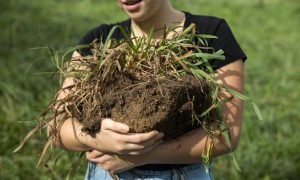
The world beneath our feet is very much alive. We are told that in a single teaspoon of soil, there is an estimated one billion microbes including bacteria, fungi, nematodes, protists and micro-animals.

The Seven Wonders Of The World
A group of students were asked to list what they thought were the present – “Seven Wonders of the World.”
Thought For The Month
Achieving genuine happiness may require bringing about a transformation in your outlook, your way of thinking, and this is not a simple matter.
Diversity Of Soil Organisms
The soil surface and leaf litter are important components of soil made up of dead plant material, such as leaves, bark, needles and twigs, that has fallen to the ground, is very rich in nutrients and keeps the soil moist.
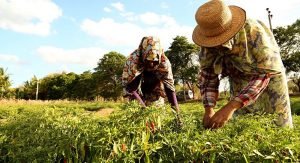
The Spice Of Life: The Fundamental Role Of Diversity On The Farm And On The Plate
The world is witnessing major shifts in dietary patterns and – in parallel – the threat to agricultural biodiversity. The implications for human health and the resilience of our food systems are significant.
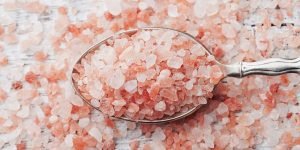
Is Pink Himalayan Salt Better Than Regular Salt?
Pink Himalayan salt is extracted from the Khewra Salt Mine, one of the oldest and largest salt mines in the world and believed to have been formed millions of years ago from the evaporation of ancient bodies of water. The salt is hand-extracted and minimally processed to yield an unrefined product that’s free of additives and therefore more natural than table salt.

Thought For The Month
We must look at our life without sentimentality, exaggeration or idealism. Does what we are choosing reflect what we most deeply value?
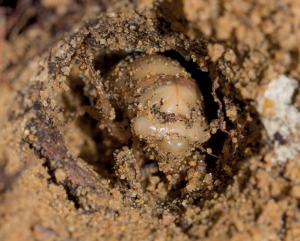
Diversity Of Soil Organisms
The vast majority of insects, up to 95%, are linked to the soil during their life cycle. Some lay eggs in the soil or use it as a substrate for overwintering. Due to very specific features of the soil as a habitat, insect larvae have made numerous adaptations to live in this particular environment.
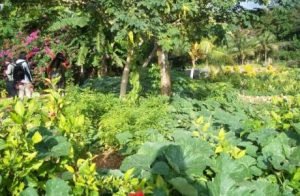
What Is Permaculture?
Permaculture is a global movement of individuals, groups and networks working to create the world we want, by providing for our needs and organising our lives in harmony with nature. The movement is active in the most privileged and the most destitute communities and countries. Permaculture may be Australia’s most significant export for humanity facing a world of limits.

How to Make Fermented Vegetables
Fermentation is a process whereby the natural bacteria present in fresh vegetables utilize the carbohydrates to reproduce and excrete lactic acid, which preserves the vegetables and creates a tangy flavor.
Thought For The Month
Do not take lightly small good deeds, believing they can hardly help.

Diversity Of Soil Organisms
Beetles are hexapods belonging to the order Coleoptera. This includes four suborders: Archostemata, Adephaga, Myxophaga and Polyphaga. Of these, Adephaga and Polyphaga have more species than other suborders, including most soil species.
Thought For The Month
A reasonable agriculture would do its best to emulate nature. Rather than change the earth to suit a crop it would diversify its crops to suit the earth.
Diversity Of Soil Organisms
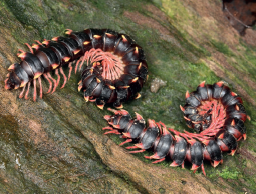
Myriapods are found in almost all terrestrial habitats from deep soil layers and caves to above the timberline in mountains.
Organic Crop Practices Affect Long-term Soil Health
Prior organic farming practices and plantings can have lasting outcomes for future soil health, weeds and crop yields, according to Cornell research…
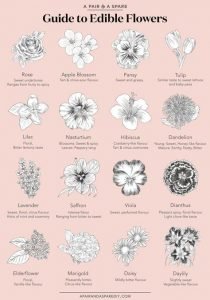
Guide To Edible Flowers
Your guide to edible flowers. Add these into your salads for more nutrient diversity.
Thought For The Month
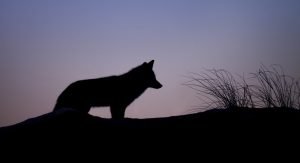
Inside people there are 2 wolves, a good wolf and a bad wolf. The wolves fight each other. So sometimes people listen to the good wolf, sometimes they listen to the bad wolf.

Diversity Of Soil Organisms
Isopoda is an order of crustaceans. The semi-terrestrial and ‘truly’ terrestrial isopods single common ancestral form group with 3,637 described species.
Diversifying The Farm Income – What About Bees?
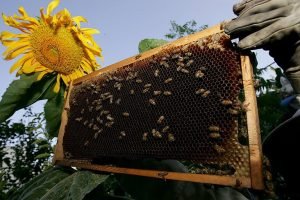
Honey bees produce honey and play a vital role in the balance of nature. Bees are especially important for pollinating agricultural and horticultural crops and the house garden. So why not keep a few hives on the farm?
Scientists Show How Gratitude Literally Alters The Human Heart And Molecular Structure Of The Brain – Part 3
So far, the researchers have discovered that the heart communicates with the brain and body in four ways: neurological communication (nervous system), biophysical communication (pulse wave), biochemical communication (hormones), and energetic communication (electromagnetic fields).
Scientists Show How Gratitude Literally Alters The Human Heart And Molecular Structure Of The Brain – Part 2
One important way the heart can speak to and influence the brain is when the heart is coherent and the body, including the brain, begins to experience greater mental clarity and ability, including better decision making.
Scientists Show How Gratitude Literally Alters The Human Heart And Molecular Structure Of The Brain – Part 1
Scientists have discovered that feelings of gratitude can actually change your brain. Feeling gratitude can also be a great tool for overcoming depression and anxiety. Furthermore, scientists have discovered that the heart sends signals to the brain.
Thought For The Month
Stay away from negative people, They have a problem for every solution.

Diversity Of Soil Organisms
Termites are hexapods that form the order Isoptera, including 12 families. Termites are a special kind of social cockroach and, despite some similarities in shape and size, they are not closely related to ants. However, similar to ants, they are fully eusocial insects.