
The belief that regenerative agriculture cannot sustain global food demands is a misconception.


The belief that regenerative agriculture cannot sustain global food demands is a misconception.
In reality, regenerative practices—which emphasize restoring soil health, enhancing biodiversity, and improving water cycles—have demonstrated the potential to not only match but often surpass the productivity of conventional farming methods.
Regenerative Agriculture: A Pathway to Sustainable Food Production
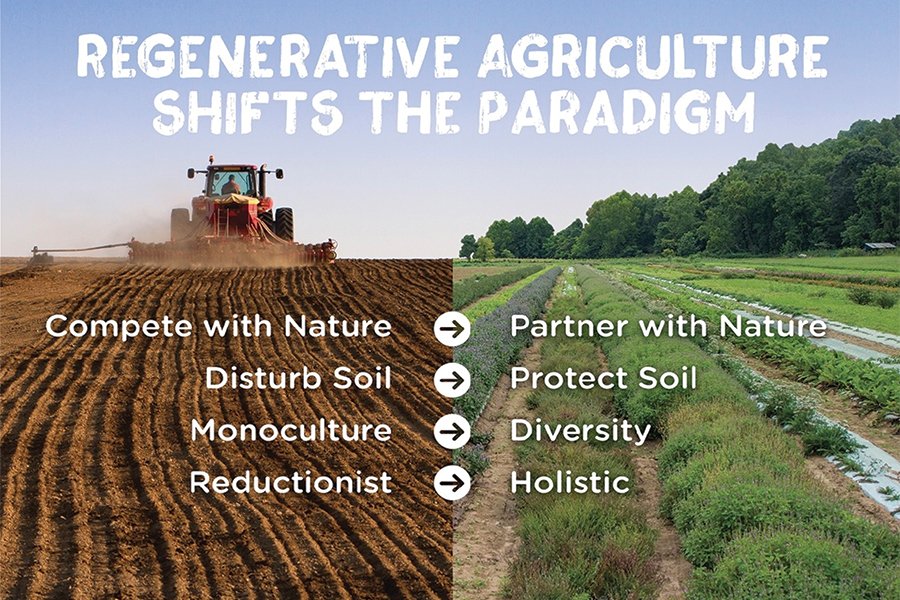
Regenerative agriculture focuses on holistic farming techniques that rejuvenate the ecosystem. Key practices include crop rotation, cover cropping, reduced tillage, and integrated livestock management. These methods work synergistically to restore soil organic matter, increase biodiversity, and enhance water retention, leading to more resilient and productive farming systems.
Evidence Supporting Regenerative Practices
The Rodale Institute’s Farming Systems Trial (FST), initiated in 1981, is the longest-running side-by-side comparison of organic and conventional grain cropping systems in North America. Over its 40-year span, the FST has revealed that organic systems can produce yields comparable to conventional systems. Notably, during periods of drought, organic corn yields were 31% higher than their conventional counterparts, highlighting the resilience of regenerative methods.
Furthermore, the FST demonstrated that organic farming is superior in building and maintaining healthy soil. Organic systems showed significant increases in soil organic matter, a critical component for soil fertility and carbon sequestration.
Case Study: White Oak Pastures
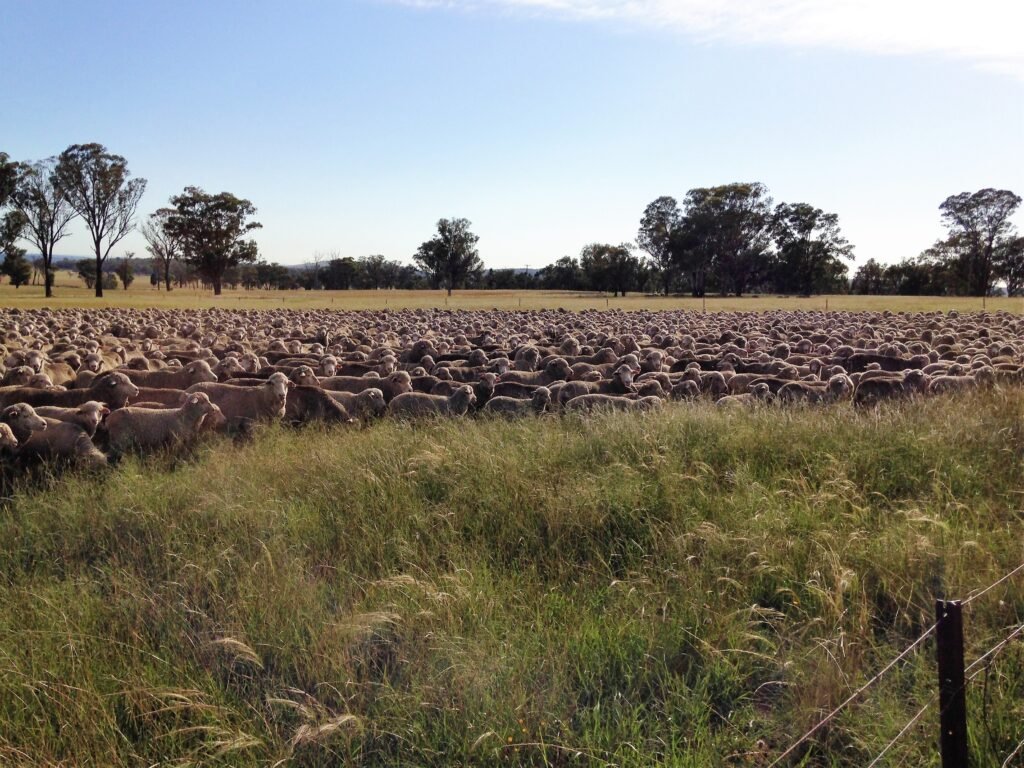
White Oak Pastures, located in Georgia, USA, exemplifies the success of transitioning to regenerative agriculture This family-owned farm shifted from conventional monoculture practices to a diversified, multi-species operation. By integrating livestock such as cattle, goats, sheep, and poultry, and employing rotational grazing, White Oak Pastures has enhanced soil health, increased biodiversity, and improved ecosystem functions.
The farm’s commitment to regenerative practices has not only bolstered environmental sustainability but also improved productivity. The diverse animal integration and holistic land management have led to a resilient agricultural model that supports both the environment and the farm’s economic viability.
Note: There are countless examples of successful regenerative farms just like White Oak Pastures
Benefits for Farmers Transitioning to Regenerative Agriculture
Farmers adopting regenerative practices can experience numerous advantages:
-
- Enhanced Soil Fertility: Improved soil structure and nutrient cycling lead to healthier crops.
-
- Reduced Input Costs: Minimizing reliance on chemical fertilizers and pesticides lowers production expenses.
-
- Climate Resilience: Healthier soils and diversified systems offer greater resistance to extreme weather events.
-
- Carbon Sequestration: Increased soil organic matter aids in capturing atmospheric carbon, mitigating climate change.
Conclusion
Embracing regenerative agriculture presents a viable solution to meet global food demands sustainably. By focusing on ecological health and resilience, regenerative practices not only ensure long-term agricultural productivity but also contribute significantly to environmental conservation. The successes of initiatives like the Rodale Institute’s FST and White Oak Pastures serve as compelling evidence that regenerative agriculture can indeed feed the world.
If you want to read more Regen myths that may be holding you pack, please download our Free eBook – Debunking Myths in Regenerative Farming
References:
https://theconversation.com/healthy-soil-is-the-real-key-to-feeding-the-world-7536





Responses