
The Future of Food in a Technological World


The Future of Food in a Technological World
Modern agriculture is placing a great threat to the future of farming. Worldwide, the Great Food Reset is transforming the history of food production. As technology continues to reshape the way we grow, produce, and consume food, the implications for the future are profound. From precision agriculture and lab-grown meat to genetic engineering and CRISPR, the innovations driving the Great Food Reset have the potential to address some of the most pressing challenges facing our food supply.
However, as we embrace these technological advancements, it is essential to remain mindful of the ethical and environmental implications they entail. By striking a balance between innovation and sustainability, we can ensure that the future of food is not only technologically advanced but also equitable, ethical, and environmentally sound.
So what are the downsides of modern agriculture?
Soil Degradation
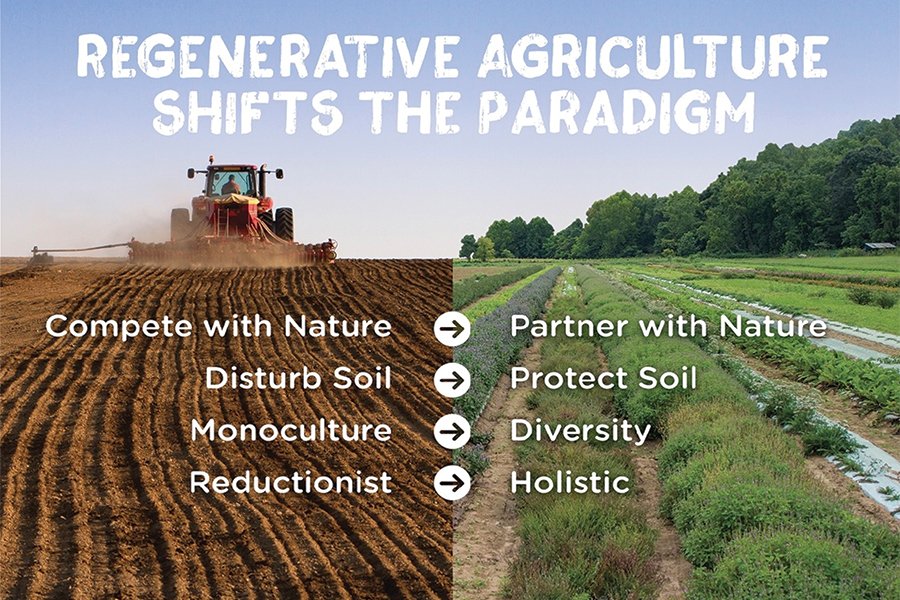
Modern agriculture often relies on intensive practices, such as monocropping and heavy chemical use, which degrade soil health and reduce its ability to support diverse, nutrient-dense crops. This threatens the foundational principles of regenerative farming that focus on soil vitality and sustainability
Loss of Biodiversity
The monoculture approach in conventional agriculture reduces biodiversity, which is crucial for resilient ecosystems. This lack of diversity can make crops more vulnerable to pests and diseases, undermining the goals of regenerative farming to create more robust, sustainable systems
Chemical Pollution
The widespread use of synthetic fertilizers and pesticides in modern farming contributes to environmental pollution, affecting water quality and ecosystems. This contrasts with regenerative practices that prioritize natural inputs and minimal chemical use to maintain ecological balance
Climate Change Contribution
Conventional agriculture is a significant contributor to greenhouse gas emissions, exacerbating climate change. This directly opposes regenerative farming’s role in mitigating climate impacts through carbon sequestration and other sustainable practices
Economic Pressures
The dominance of large-scale industrial agriculture creates economic pressures that make it challenging for regenerative farmers to compete. The focus on high yields and profit margins often undermines the emphasis on quality, nutrient density, and environmental stewardship inherent in regenerative practices.
As advocates of regenerative farming practices, soil lovers are passionate about the value of food nutrient density whilst caring about the environment. They also respect the intrinsic value of Nature and her ways.






Responses